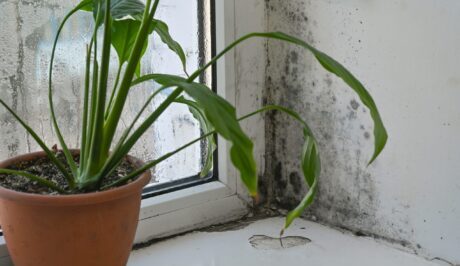
Mold in apartment buildings is more than an inconvenience. It can affect your health, damage your belongings, and create serious legal issues if it is not handled properly. If you are dealing with mold in your apartment or wondering what to do next, understanding the warning signs and your rights is the first step.
If your apartment has mold and your landlord is not taking the issue seriously, you do not have to handle it alone. Ryman Clark, PLLC is a veteran owned firm that represents tenants facing difficult mold and habitability issues across Texas. Call (512) 200-3352 to speak with a team that will take your situation seriously and help you understand your options.
Why Mold in Apartments Is a Serious Problem
Mold can spread quickly in multi-unit buildings, and may travel through walls, vents, and shared spaces. What starts in one unit can impact neighboring apartments.
For tenants, mold in an apartment can lead to more than just unpleasant odors. It can damage furniture, clothing, and personal items while also affecting indoor air quality. Many renters ask, “Is it safe to live in an apartment with mold?” The answer depends on the severity, but prolonged exposure can create real health concerns.
Ignoring mold often allows the problem to worsen. Over time, it can lead to structural damage, recurring leaks, and legal disputes between tenants and landlords.
Common Causes of Mold in Apartment Units
Mold usually forms when moisture is present and left unaddressed. In apartment settings, that moisture often comes from:
- Water leaks from plumbing, roofs, or HVAC systems.
- Poor ventilation in bathrooms, kitchens, and laundry areas.
- High indoor humidity and condensation buildup.
- Flooding or past water damage that was not properly repaired.
- Landlord neglect or delayed maintenance.
If you are noticing recurring dampness or leaks, it may be an early sign of mold in your apartment, even if you cannot see it yet.
Where Mold Is Commonly Found in Apartments
Mold tends to grow anywhere moisture lingers and airflow is limited, which makes certain areas of an apartment especially vulnerable. Bathrooms are a common source, particularly around tubs, showers, and sinks where water is used daily. Kitchens can also hide problems under sinks or behind appliances where small leaks go unnoticed. In other cases, mold develops around windows, along ceilings, or near baseboards where condensation builds up over time.
Some of the most serious mold issues are not immediately visible. Growth can spread inside HVAC systems, behind walls, or underneath flooring after a leak or flood. These hidden conditions are often why tenants start to suspect mold in an apartment even when they cannot clearly see it, especially if there is a persistent musty odor or unexplained moisture.
What Mold Looks Like in an Apartment
Mold does not always look the same, which can make it easy to overlook in the early stages. In many apartments, it appears as small spots or spreading patches in colors like black, green, white, or gray. The texture can vary as well. Some mold looks fuzzy or powdery, while other growth may appear slimy or damp to the touch.
In some cases, you may not see mold at all. A persistent musty odor, peeling paint, or warped walls can all point to hidden moisture and possible growth behind surfaces. These subtle warning signs are often the first indication that something is wrong.
It is common for tenants to worry about black mold in an apartment. While not every dark spot is toxic, any visible mold should be taken seriously and addressed as soon as possible to prevent it from spreading.
If you are dealing with mold in your apartment and your concerns are being ignored, Ryman Clark, PLLC can step in to help. Call (512) 200-3352 to discuss your situation and protect your rights.
Signs and Symptoms of Mold Exposure
Mold exposure can affect people differently, but there are several common mold in apartment symptoms to watch for:
- Respiratory issues like coughing, wheezing, or shortness of breath.
- Nasal congestion, sneezing, or throat irritation.
- Skin irritation or rashes.
- Headaches or fatigue.
- Worsening asthma or allergy symptoms.
If your apartment has mold and you are experiencing these symptoms, it may be time to take the situation more seriously and seek both medical and legal guidance.
What to Do If You Find Mold in Your Apartment
If you are wondering what to do if your apartment has mold, taking the right steps early can protect both your health and your rights. For tenants who have found mold in their apartment, we recommend taking the following steps:
- Document the problem thoroughly. Take clear photos and videos of all visible mold, water damage, and affected areas. Try to capture the size, location, and any items that have been damaged. Continue documenting over time if the issue spreads or worsens.
- Notify your landlord in writing right away. Send an email or written notice describing the mold, where it is located, and when you first noticed it. Written communication creates a record that can become important if the issue is not addressed.
- Request a prompt inspection and professional remediation. Be specific in asking your landlord to investigate the source of the moisture and hire qualified professionals if needed. Simply cleaning the surface without fixing the underlying cause is unlikely to solve the problem long-term.
- Avoid attempting major mold removal yourself. Many tenants look up how to get rid of mold in an apartment, but large or hidden growth can require specialized equipment and containment. Improper cleaning can spread spores or make conditions worse.
- Keep detailed records of everything. Save emails, maintenance requests, photos, repair timelines, and any responses from your landlord. If your apartment has mold and they will not fix it, this documentation can play a key role in protecting your rights.
If you are not getting a timely response or the problem keeps coming back, Ryman Clark, PLLC can help you understand your options and take the next steps. Call (512) 200-3352 to speak with a team experienced in handling mold and habitability disputes.
When Your Landlord Needs to Take Action
In Texas, landlords are required to maintain safe and habitable living conditions. That responsibility includes addressing mold problems when they rise to a level that affects your unit or your health.
A landlord generally needs to take action when mold is impacting your ability to safely live in the apartment, especially if it is causing symptoms or damaging your belongings. Responsibility is also more likely when the mold is tied to issues such as plumbing leaks, roof problems, poor ventilation, or other maintenance failures.
If you have reported the problem and repairs are delayed, ignored, or only temporarily addressed, that may indicate a violation of their obligations. Recurring mold is another red flag that the underlying issue has not been properly fixed.
If your apartment has mold and your landlord will not fix it, you may have grounds to take further action under Texas law. Ryman Clark, PLLC represents tenants dealing with these types of situations and works to hold landlords accountable. Call (512) 200-3352 to discuss your concerns.
When to Contact a Mold or Tenant Attorney
There are situations where legal help becomes especially important, particularly when the problem is ongoing or affecting your health, safety, or finances. You should consider speaking with an attorney if:
- Your apartment has mold and the landlord will not fix it. If you have reported the issue and your landlord continues to delay, ignore, or offer temporary fixes, it may be time to involve an attorney.
- You are experiencing health issues due to mold exposure. Symptoms like persistent coughing, breathing problems, or worsening allergies may strengthen your claim and should be taken seriously.
- Property damage has occurred. Mold can ruin furniture, clothing, electronics, and other personal belongings. An attorney can help assess whether you may be entitled to compensation.
- You are unsure of your rights or next steps. Texas law has specific requirements for notice and timing, and making the wrong move could affect your ability to recover damages or terminate your lease.
In many cases, tenants wait too long to seek help and lose valuable leverage. Getting guidance early can help you document the issue properly and avoid missteps.
At Ryman Clark, PLLC, we take on cases other firms avoid, including complex mold claims involving difficult landlords or recurring issues. Call (512) 200-3352 to speak with a team that will take your concerns seriously and help you move forward.
Your Rights as a Tenant in Texas
Texas law requires landlords to provide safe and habitable housing. When it comes to mold in an apartment:
- Landlords must address conditions that affect health and safety.
- Mold caused by negligence may create liability.
- Proper notice is required before taking legal action.
- Documentation strengthens your position significantly.
If you are searching, “What to do if you suspect mold in your apartment?” The answer often starts with understanding these rights and making sure you follow the correct process.
How Ryman Clark, PLLC Can Help
Mold cases are rarely straightforward, especially when landlords deny responsibility, delay repairs, or fail to address the root cause. These situations can quickly escalate, affecting your health, your property, and your ability to safely remain in your home.
Ryman Clark, PLLC represents tenants facing serious mold and habitability issues across Texas. Our team works to evaluate your situation, explain your legal options, and take action when landlords fail to meet their obligations. Whether that involves formal demand letters, ongoing negotiations, or litigation, we are prepared to push for real results.
If your apartment has mold and the problem is not being properly addressed, do not wait for conditions to get worse. Contact Ryman Clark, PLLC at (512) 200-3352 to speak directly with a team that will take your case seriously and fight to protect your rights.